
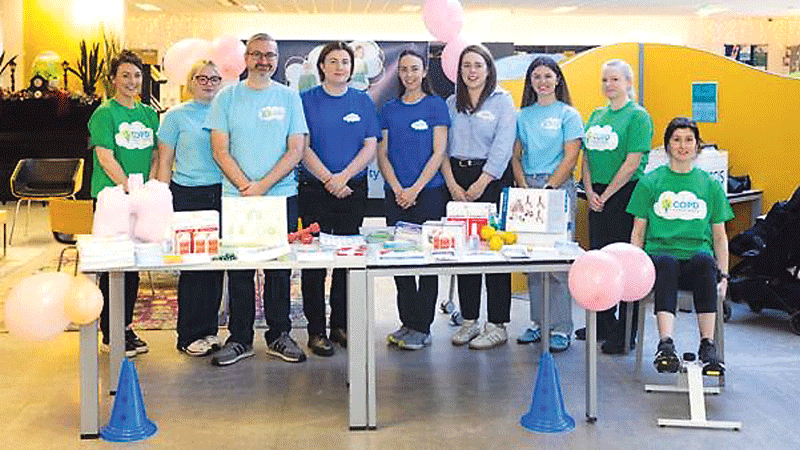
Members of the TUH COPD team in Tallaght Library, where they recently held a COPD Awareness Event
TUH talks: Breathe easy, know the signs of COPD
In this month’s Let’s Talk About column from Tallaght University Hospital, Carol Buckley, Clinical Nurse Specialist in the Clinical Outreach team for COPD talks about the respiratory disease, what it is and what can be done to support people living with this chronic disease and where to find support locally.
Chronic Obstructive Pulmonary Disease (COPD) is a serious lung condition that affects an estimated 500,000 people in Ireland.
This condition makes breathing difficult, most often caused by long-term damage from smoking.
The common symptoms include shortness of breath, a persistent cough with phlegm, wheezing and or frequent chest infections.
Like any chronic condition, it is important to get a diagnosis, if you are over 35 and have these symptoms, especially if you smoke or used to speak to your GP about a simple breathing test called “spirometry.”
This is a simple breathing test that measures how well your lungs work.
It checks how much air you can breathe in and out, and how quickly you can exhale, helping doctors diagnose and monitor lung conditions like COPD and asthma, and it also helps with deciding on what treatment is best for the patient and also tracks how well current treatments are working.
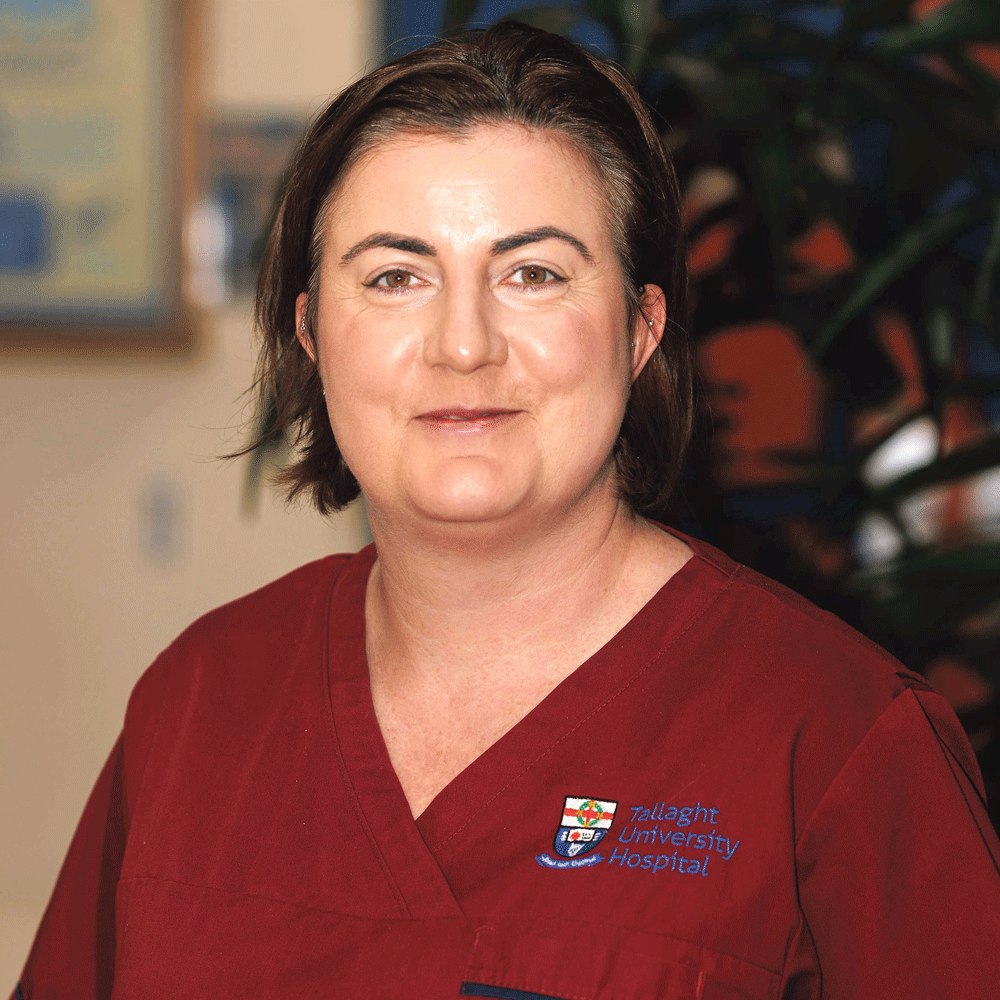
Carol Buckley, COPD, Clinical Nurse Specialist
Although COPD is a long-term condition, there are effective ways to manage it and improve quality of life:
- Stop smoking / vaping, the single most important step to slow progression
- Stay active with regular exercise
- Take prescribed medication as directed
- Keep vaccinations up to date, especially flu and pneumonia
People living with COPD do not have to manage it alone. There are a lot of supports available in the local community, and they include:
- COPD Support Groups at Rua Red, Clondalkin & Fettercairn, these groups offer suitable exercise classes.
- HSE Integrated Care Hub (Russell Building, Tallaght Cross), they provide pulmonary rehabilitation, lung function tests and respiratory clinics.
- Boot Road Primary Care Centre, Clondalkin, with multi- disciplinary teams supporting COPD management closer to home.
If you are concerned about COPD, speak to your GP or contact COPD Ireland for further information. Information is power, please do not ignore the signs. The sooner COPD is diagnosed, the more that can be done to help people live well and manage this lifelong condition.

