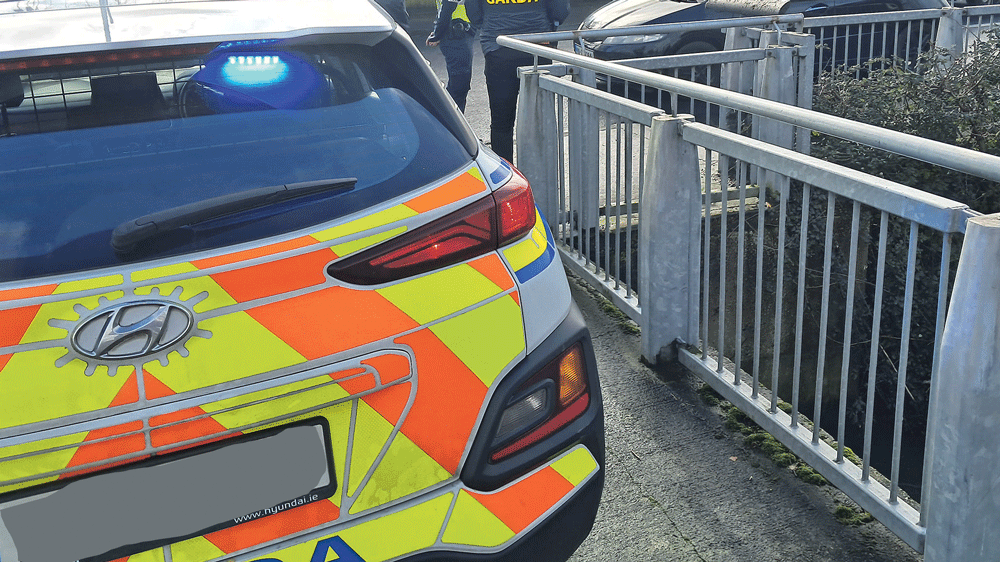
A checkpoint on Watery Lane in Clondalkin
E-bikes are ‘blight on communities at the moment’
ONE of the main reasons for this week’s e-bike/scooter operations across the county is that of “public safety”, according to Detective Superintendent Thomas Gormley, Clondalkin Garda Station.
“They are a blight on communities at the minute,” says Gormley, at Clondalkin HQ, where he oversaw Operation Meacan on Monday, which included 50 guards from the Ballyfermot-Clondalkin-Rathcoole district – separate operations took place in Ronanstown and Lucan.
He acknowledges that there is a “close association with organised crime” for bikes that are “easily concealable” but believes there is “more than one way” to respond.
“We are very pro-active here. The last time we went in and identified areas, using legislation to go after them with minimum risk.”
Although Operation Meacan has been in place for a few years, the tragic death of teenager Grace Lynch last month in Finglas has increased pressure on the State to introduce tougher measures, something Minister for Transport Darragh O’Brien said recently that work has begun on new regulations for e-scooters, including mandatory helmet wearing, high visibility clothing and lighting.
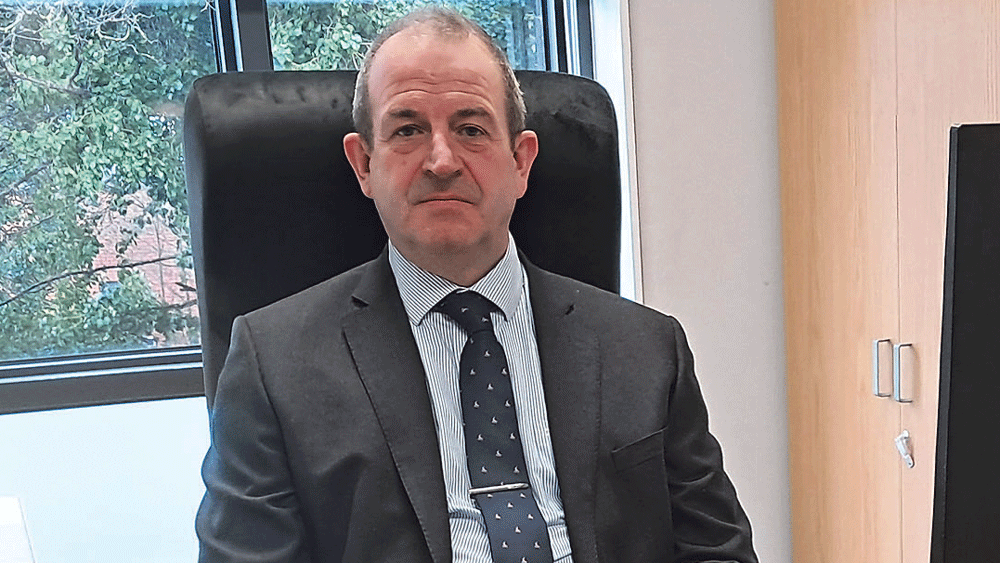
Superintendent Thomas Gormley in Clondalkin Garda Station
This and “clearer legislation” is something Gormley supports, but from a policing perspective he cites “rigorous enforcement” of the legislation as a way to lessen dangers to public health.
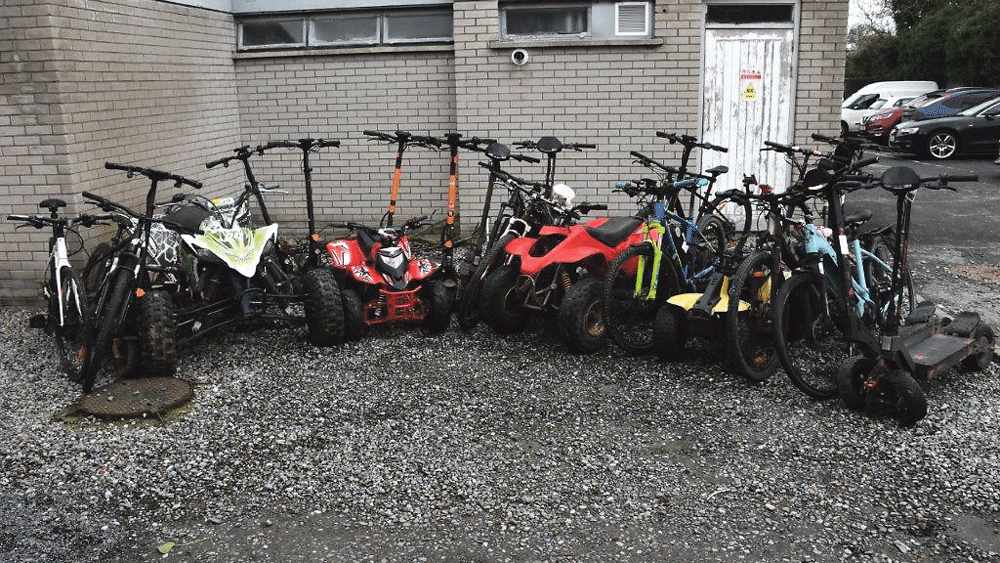
Total seizures for Operation Meacan in Ballyfermot-Clondalkin on Monday was 12 e-scooters, four e-bikes, four quads, two stolen bicycles, €1,800 of cannabis and a taser.
Another aspect to the response is community garda engagement at schools, educating youths on the subject of a range of issues including e-bikes.
This July, Gormley will have been in Clondalkin for three years, having previously spent nine months as the Superintendent in Tallaght.
Reflecting on his work in the respective communities, Gormley says no matter the location, gardai rely on public assistance to operate effectively.
Encouraging people to contact gardai if they see suspicious activity, DS Gormley also encourages people to contact the confidential garda phone lines at 1800 666 111 to report information anonymously.
Funded by the Local Court Reporting Scheme