
Check those moles for changes
Save your skin: cover up, avoid sunbeds and slap on suncream
THE Tallaght-based Marie Keating Foundation is urging people to rethink how they protect their skin with the launch of MoleMaps, a major new national skin cancer awareness campaign.
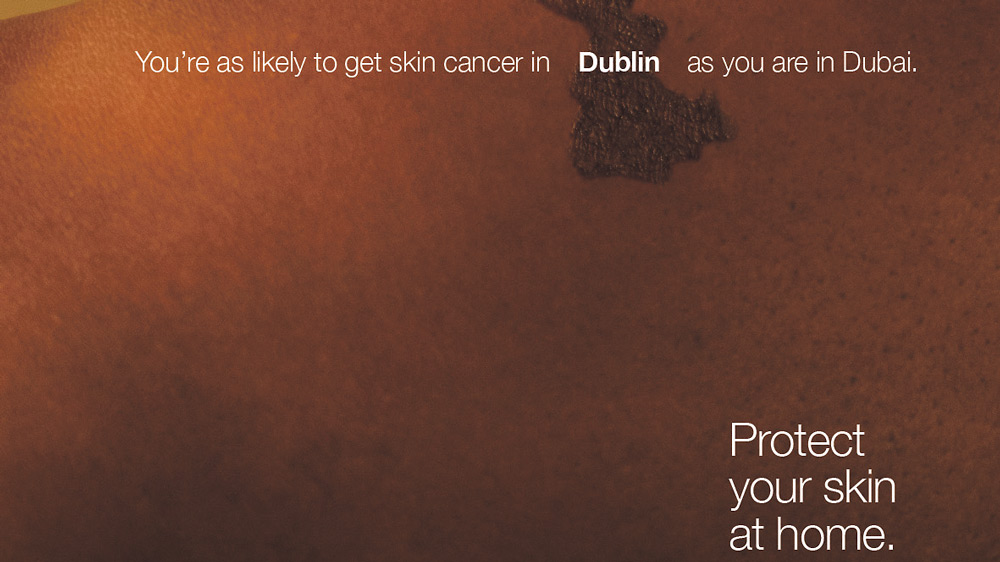
Rolling out nationwide throughout August across out-of-home advertising, radio, digital channels and national media, MoleMaps uses bold, eye-catching creative to remind people that ultraviolet (UV) radiation can damage your skin whether you’re in Spain or Sligo.
Skin cancer is currently the most common cancer in Ireland, with over 11,000 people diagnosed every year, and more than one in five people in Ireland will develop it during their lifetime.
The campaign comes as Ireland continues to have one of the highest rates of melanoma in Europe despite its relatively cool climate and highlights that it’s UV radiation, not heat, that increases your risk.
Marie Keating Foundation CEO Liz Yeates noted that there is a risk of developing skin cancer at home, not just on holidays, and that MoleMaps aims to encourage people to protect their skin more.
Yeates said: Through MoleMaps, we want to remind people that the sun at home can be just as damaging as the sun on holiday. It’s the everyday time we spend outdoors here in Ireland that can add up over the years and increase our risk.
“By protecting your skin from UV damage, getting to know what’s normal for you and recognising changes early, you can help reduce your risk of skin cancer and improve outcomes through earlier detection.
“We hope this campaign encourages people to make protecting their skin part of their everyday routine, not just something they think about before a holiday abroad.”
The most common sign of melanoma is a new mole or a change in an existing mole. Other signs of skin cancer can include a sore that doesn’t heal, a lump or a scaly or crusted patch of skin.
Becoming familiar with your own skin and acting promptly if you notice any changes could save your life.
Director of Nursing Services at the Marie Keating Foundation Helen Forrester stated that taking a small amount of time to check your skin could make a big difference.
Forrester said: “Almost nine in ten cases of skin cancer are considered preventable through simple SunSmart behaviours, including seeking shade during the middle of the day, covering up, wearing sunscreen, protecting your eyes and avoiding sunbeds.
“The earlier skin cancer is detected, the better the outcome. We encourage everyone to become familiar with their skin, check it regularly and speak to their GP if they notice a new or changing mole, a mark that looks unusual or a sore that doesn’t heal.
“Taking a few minutes to check your skin could make all the difference.”

