
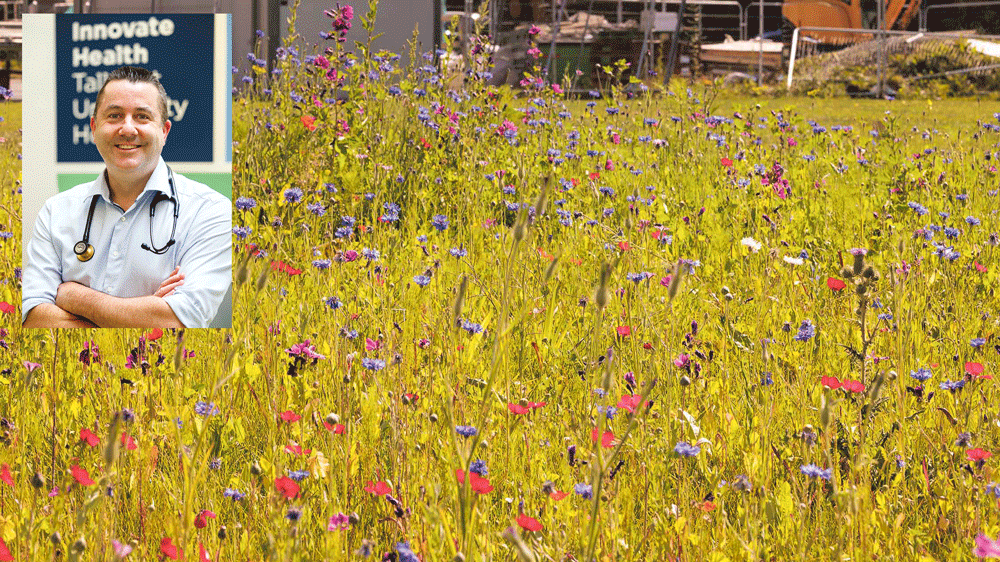
A wildflower meadow (Inset: Professor Patrick Mitchell, Respiratory Consultant at TUH)
TUH Talks: Allergy triggers beyond hay fever
Most people think of allergies as a summer problem, the itchy eyes, sneezing fits and the familiar misery that arrives with the first cut of grass!
But for many people in Tallaght and across Ireland, allergic reactions are a year round issue, triggered by everyday exposures in the home, workplace and even the cleaning press under the sink.
An allergy occurs when the immune system overreacts to something harmless.
Symptoms can include sneezing, a runny or blocked nose, itchy eyes, wheezing, skin rashes or headaches. These often look like a cold, which is why many people put up with symptoms for years without realising they are allergic.
One of the most common indoor triggers is dust mites, microscopic creatures that live in mattresses, pillows and carpets. Symptoms are often worst first thing in the morning.
Washing bedding weekly at 60°C, using allergy proof covers and vacuuming with a HEPA filter hoover can help reduce exposure.
Mould is another major culprit, thriving in damp areas such as bathrooms, around windows and behind furniture on cold walls.
Improving ventilation, using extractor fans and tackling damp at its source are the most effective solutions.
Household products can also play a role. Bleach based cleaners, oven cleaners, plug in air fresheners, scented candles and aerosol sprays can irritate the airways and worsen symptoms. Switching to fragrance free products and opening windows while cleaning often makes a noticeable difference.
Perfumes, paints and glues can also provoke headaches or breathing difficulties; water based, low VOC paints are generally kinder to the airways.
Some people experience symptoms linked to their job. Farmers and people exposed to dust from hay, straw or grain can develop a condition known as farmer’s lung.
Bakers and hairdressers can face their own occupational triggers. Symptoms that improve at weekends are worth discussing with your GP.
Simple steps can help before reaching for medication.
On high pollen days, dry clothes indoors, washing left on the line gathers pollen and brings it straight into the bedroom.
A thin layer of Vaseline inside the nostrils traps pollen and dust before they reach the nasal lining. Keep windows closed during peak pollen times, usually early morning and evening, and in the car too, pollen filters only work with the windows up.
Checking the daily pollen count on Met Éireann or the Asthma Society of Ireland’s tracker can help you plan outdoor activities.
Digital tools are increasingly useful.
A symptom diary app can help identify patterns and triggers.
Medication reminders set on your phone support consistent use of steroid nasal sprays, which only work when taken daily.
Smart home monitors that track humidity can flag mould friendly conditions, and air purifiers with HEPA filters can reduce indoor allergens, especially in bedrooms.
Treatment usually starts with avoidance. Antihistamines can ease sneezing and itching, while steroid nasal sprays are highly effective for nasal symptoms when used consistently.
One caution: over the counter decongestant sprays should not be used for more than five to seven days. Longer use can cause “rebound congestion,” where the nose becomes dependent on the spray.
For people whose symptoms persist, sublingual immunotherapy (SLIT) offers a different approach. It retrains the immune system rather than simply masking symptoms.
A small tablet dissolves under the tongue once a day for three years, and around 70% of patients achieve long term relief.
SLIT is only available for grass pollen, birch pollen and house dust mite, though cost can be a barrier as it is not covered by the medical card.
If allergies are affecting your quality of life, speak to your GP about skin prick testing and whether immunotherapy might be suitable.
Allergies can’t always be cured, but with the right approach they can almost always be controlled.

