
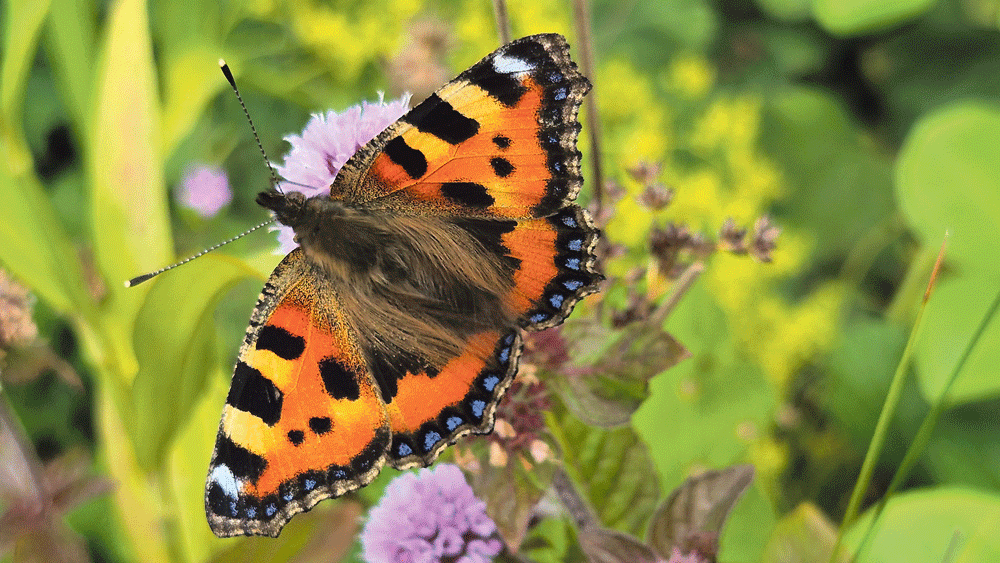
The Small Tortoiseshell is one of our early spring butterflies
Nature on our doorsteps: Early season butterflies
Rosaleen Dwyer is the County Heritage Officer at South Dublin County Council – every week she gives us an insight into the natural heritage around us and the beautiful biodiversity of the plants and creatures.
At the end of the summer season most of our adult butterflies die away, leaving their caterpillars to overwinter either in silken cocoons or as larvae hiding away in grass tussocks.
Some butterflies, however, can overwinter as adults.
They search out places such as deep cracks in tree trunks, or sheltered spaces in the middle of a woodpile or within dry stone walls.
These overwintering butterflies include the Small Tortoiseshell, the Peacock, and the Comma butterfly.
The Peacock and the Small Tortoiseshell can also sometimes be discovered in our houses or sheds, hiding behind curtains or up at the tops of windowpanes in rooms that do not get too warm.
Normal emergence from hibernation is around early March or April, depending on the weather conditions. A few days of bright sunny weather can cause them to warm up.
This wakens them and they emerge from their hibernation places.
These butterflies mate early in March and April, so they need to warm up quickly and head off to look for a mate.
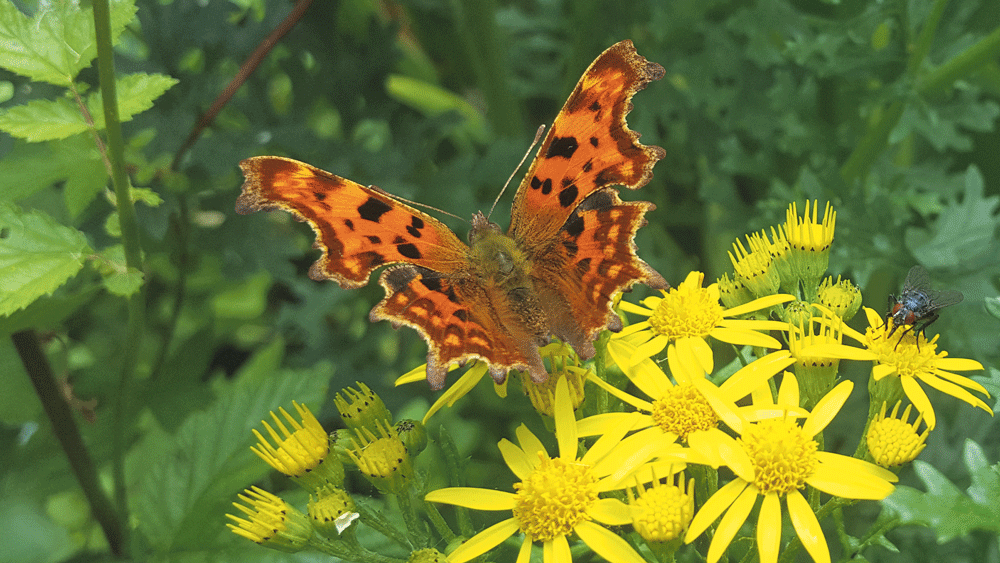
The Comma Butterfly has beautifully scalloped wings
The Small Tortoiseshell is one of Ireland’s most common butterflies and it is frequently seen in gardens and parks.
When they emerge in spring, they find a sheltered spot out of the cold March wind to bask in the sun.
They settle on surfaces like stones or along paths which have been gently warmed by the sun.
Another butterfly which is becoming more frequent in Ireland is the Comma butterfly.
This insect had been a temporary migrant visitor to Ireland in the past. It has become a more permanent resident in the last ten years, however, and it now breeds here.
The Comma is a lovely mix of oranges and browns.
They are distinctive in that the edges of their wings are beautifully scalloped.
They are strong fliers, and are most usually seen along hedgerows and riverbanks, or along the edges of open woodland.
The Small Tortoiseshell, the Peacock, and the Comma butterfly all lay their eggs on Nettles.
TAGS Life

